Toddler Development: Understanding the Terrible Twos and Threes
The toddler years—roughly ages 1 to 3—are a time of incredible growth, independence, and challenges. The phrase "terrible twos" exists for a reason, but understanding what's happening developmentally helps you navigate this phase with patience and confidence.
Why They're Called the Terrible Twos
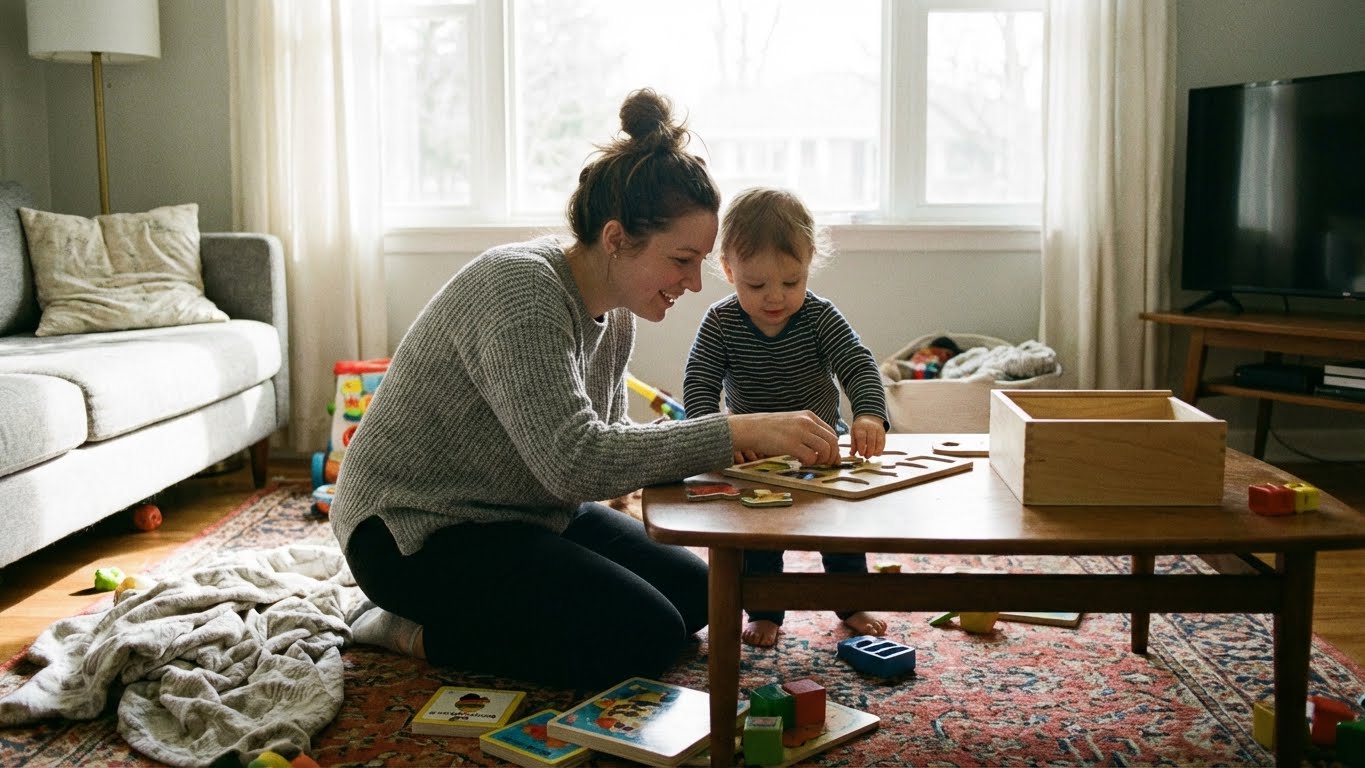
The toddler years aren't terrible—they're transformative. Your child is developing independence and testing boundaries while learning they're separate from you. They experience big emotions without the language to express them, want to do everything themselves but lack the skills, and constantly test cause and effect. This leads to frustration, tantrums, and power struggles—but it's all normal, healthy development.
Physical Development
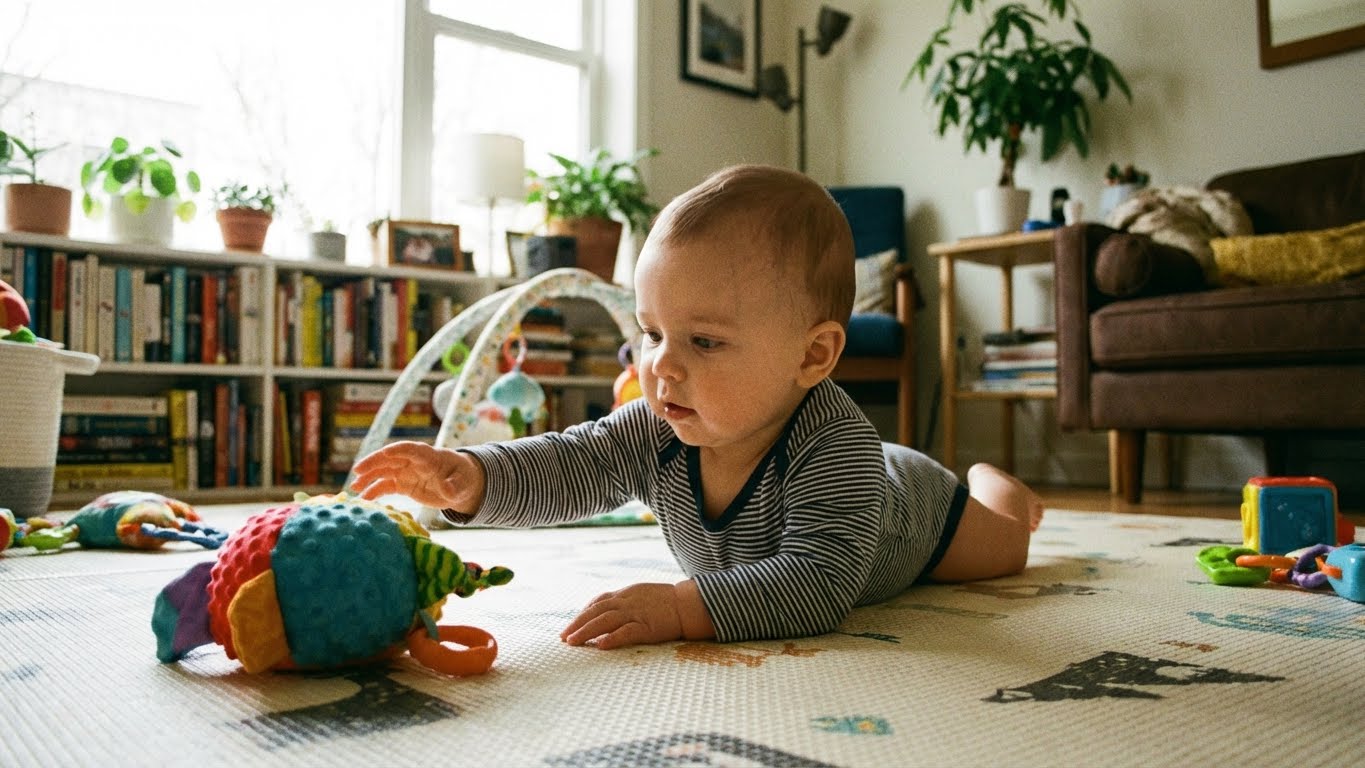
Between 12-18 months, toddlers walk independently, pull toys while walking, carry large toys, begin running, climb furniture, and walk up stairs with help. From 18-24 months, they run well, kick balls forward, throw overhand, walk up and down stairs holding rails, and jump in place. By ages 2-3, they run easily, pedal tricycles, walk up stairs alternating feet, climb proficiently, and balance briefly on one foot.
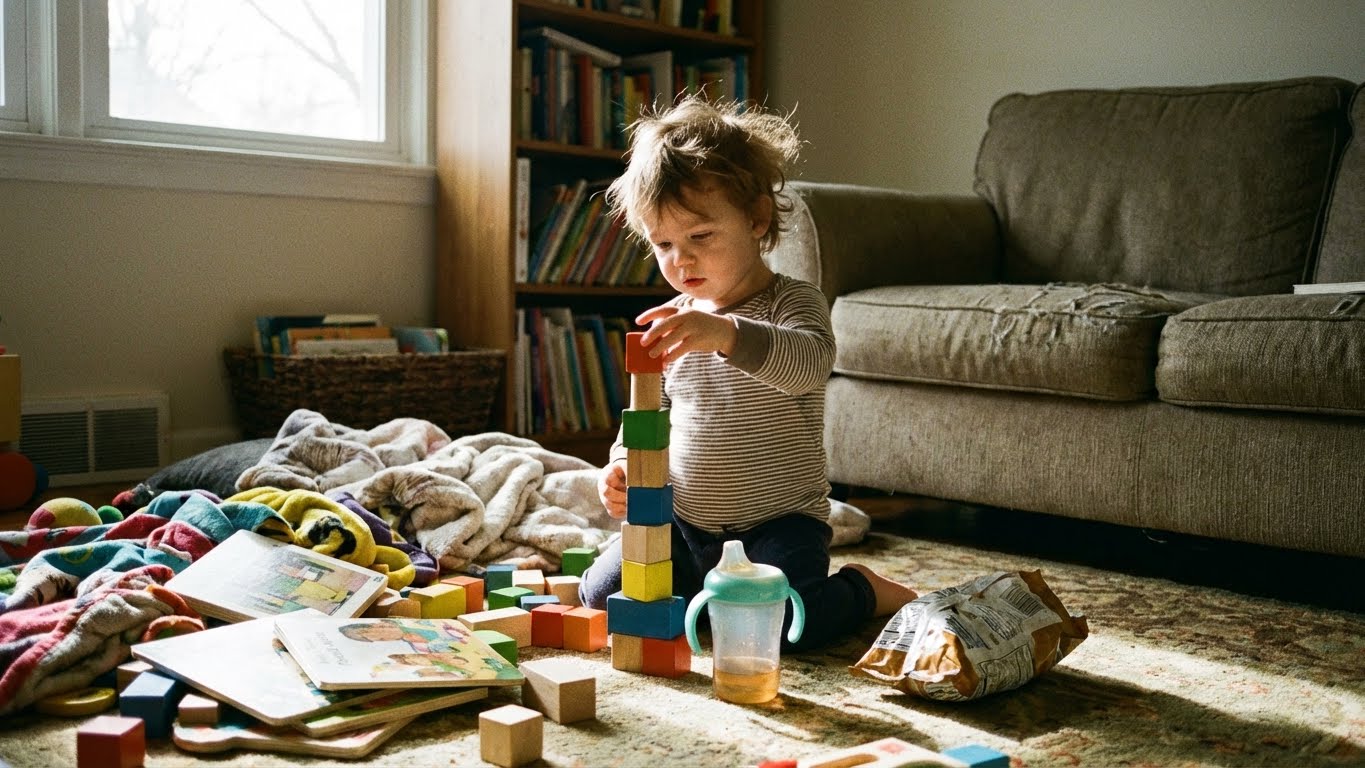
Fine motor skills also develop rapidly. Young toddlers drink from cups, use spoons messily, scribble spontaneously, and build towers of 2-4 blocks. By two, they turn pages, build towers of 4-6 blocks, and imitate circular scribbles. At three, they copy circles and lines, turn pages individually, build towers of 8+ blocks, use forks, and put on some clothing independently.
Cognitive and Language Development
Toddlers are little scientists, constantly experimenting. They understand object permanence (things exist when hidden), use symbolic thinking (a block becomes a phone), categorize similar objects together, solve simple puzzles, and imitate adult behaviors in play. Their memory develops significantly—by 2-3, they remember past events, anticipate familiar routines, recall where toys are kept, and remember simple instructions.
Language explodes during toddlerhood. From 12-18 months, toddlers say 3-20 words, point to named objects, follow simple directions, shake head "no," and imitate animal sounds. The 18-24 month period brings a vocabulary explosion of 50-200 words, two-word combinations like "more milk," naming familiar objects, and following two-step directions. By ages 2-3, vocabulary reaches 200-1000 words, sentences contain 3-4 words, they ask "what" and "where" questions, use pronouns correctly, and strangers understand 50-75% of their speech.

Understanding Tantrums
Tantrums are developmentally normal and occur because toddlers have limited language to express needs and feelings, developing independence but limited abilities, lack impulse control, experience fatigue or hunger, test boundaries, and struggle with transitions. Prevent tantrums by maintaining consistent routines, ensuring adequate sleep and meals, giving warnings before transitions, offering limited choices, avoiding overstimulation, and recognizing early frustration signs.
During a tantrum, stay calm—your calm helps them calm. Ensure safety, validate feelings by saying "You're really mad!" but don't try to reason during peak tantrum. Stay nearby but don't reward the behavior. Offer comfort when they're ready. After a tantrum, provide comfort and connection, help name the emotion, discuss better ways to express feelings, then move on without dwelling on it.
Positive Discipline Strategies
Toddlers need clear, consistent boundaries. Be clear with rules like "We sit at the table to eat." Be consistent with the same rules every time. Stay calm while enforcing boundaries. Offer choices like "Red cup or blue cup?" Use natural consequences when safe, letting them experience results of actions.
Instead of just saying "no," redirect to acceptable behavior: "We don't hit. Gentle touches" (demonstrate). "Books aren't for throwing. Let's throw this ball." "We can't draw on walls. Here's paper." Catch them being good with positive reinforcement: "Thank you for using gentle hands!" "I noticed you shared your toy. That was kind."
Potty Training
Most children are ready between 18-30 months when they stay dry for 2+ hours, show interest in the potty, can follow simple instructions, can communicate the need to go, feel uncomfortable with dirty diapers, and can pull pants up and down. Wait for readiness—don't rush. Use a child-friendly potty, establish routines after meals and before bed, celebrate successes without excessive rewards, stay calm about accidents, dress in easy-off clothing, and be patient—it takes time.
Sleep and Nutrition
Toddlers ages 12-18 months need 11-14 hours total including 1-2 naps. From 18-24 months, they need 11-14 hours with usually one nap. Ages 2-3 require 11-13 hours with one nap or quiet time. For bedtime resistance, maintain consistent routines, give 5-minute warnings, offer limited choices, and stay firm but calm.
Picky eating is normal. Offer variety without pressure, serve new foods alongside familiar ones, model healthy eating, involve them in food prep, avoid food battles, trust them to regulate intake, and limit milk to 16oz daily as it can decrease appetite.
When to Seek Help
Contact your pediatrician for developmental concerns like not walking by 18 months, no words by 18 months, losing previously acquired skills, no pretend play by 30 months, or not understanding simple instructions by 24 months. Behavioral concerns warranting evaluation include extreme aggression, tantrums lasting 15+ minutes regularly, inability to be comforted, self-harm during tantrums, or regression in multiple areas.
The terrible twos aren't actually terrible—they're transformational. Your toddler is becoming their own person, testing boundaries, and learning about the world. Stay patient, consistent, and connected. This phase is challenging but also magical. Before you know it, you'll miss these intense, exhausting, wonderful toddler years!