Positive Discipline: Effective Parenting Without Yelling or Punishing
Positive discipline is about teaching children self-control, responsibility, and problem-solving skills—not punishment. It creates cooperation through mutual respect while helping children develop into confident, capable individuals.
What is Positive Discipline?
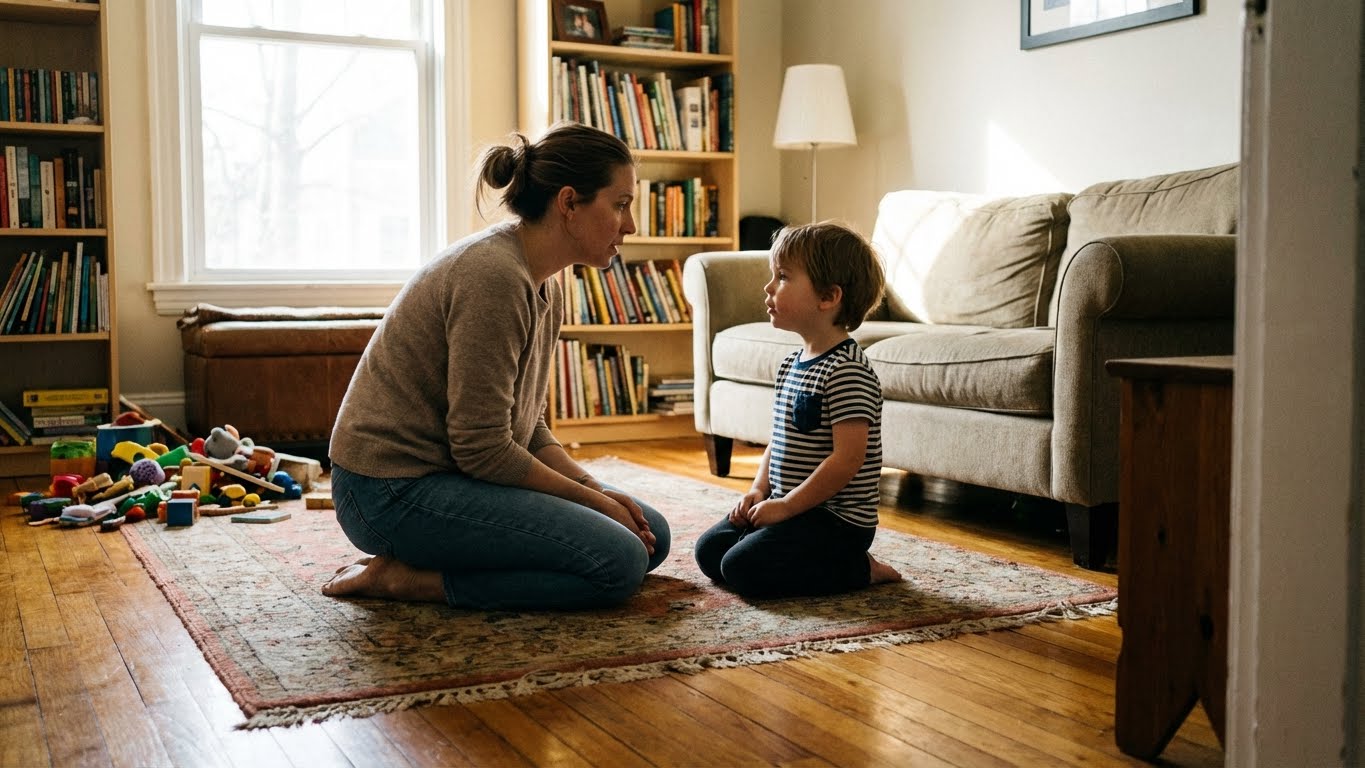
Positive discipline focuses on teaching rather than punishing, solutions rather than blame, connection rather than isolation, long-term growth rather than quick fixes, and mutual respect rather than power struggles. The core principles include connecting before correcting—children respond better when they feel heard and understood. Treat children with the same respect you'd show adults and model the behavior you want to see.
Instead of dwelling on what went wrong, work together to find solutions. Ask yourself: "What do I want my child to learn from this?" rather than "How can I make this stop now?" This long-term thinking shapes capable, thinking individuals.
Age-Appropriate Strategies
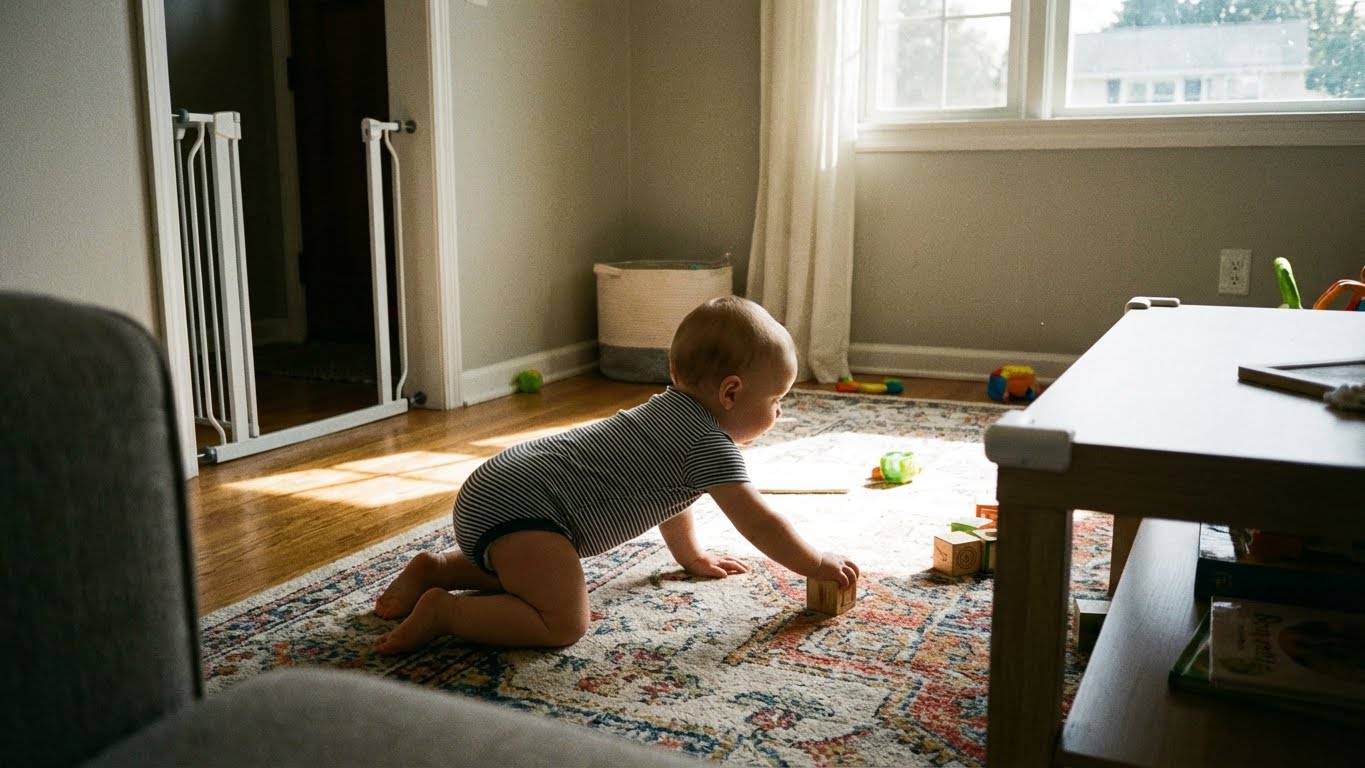
For infants (0-12 months), respond promptly to needs, redirect attention from unsafe objects, remove temptations rather than constantly saying "no," model gentle touches, and create safe exploration spaces.
With toddlers (1-3 years), offer limited choices, use redirection frequently, keep instructions simple and positive, validate feelings while setting limits, use natural consequences when safe, and model desired behaviors.
For preschoolers (3-5 years), involve them in problem-solving, use when/then statements ("When toys are picked up, then we can go to the park"), offer more complex choices, encourage emotional expression, use logical consequences, and practice solutions together.
Effective Discipline Techniques
Set clear expectations by being specific about what you want. Instead of "Be good at the store," try "At the store, we walk, use quiet voices, and keep hands to ourselves." State expectations positively, explain why rules exist, be consistent, and review expectations before new situations.
Use natural and logical consequences. Natural consequences let reality teach the lesson—don't wear a coat and feel cold, don't eat lunch and feel hungry, throw a toy and it breaks. Logical consequences relate directly to the misbehavior—throw food and mealtime ends, won't share toys and toys go away temporarily, fighting over TV means TV turns off. Make consequences related, respectful, reasonable, and revealed in advance when possible.
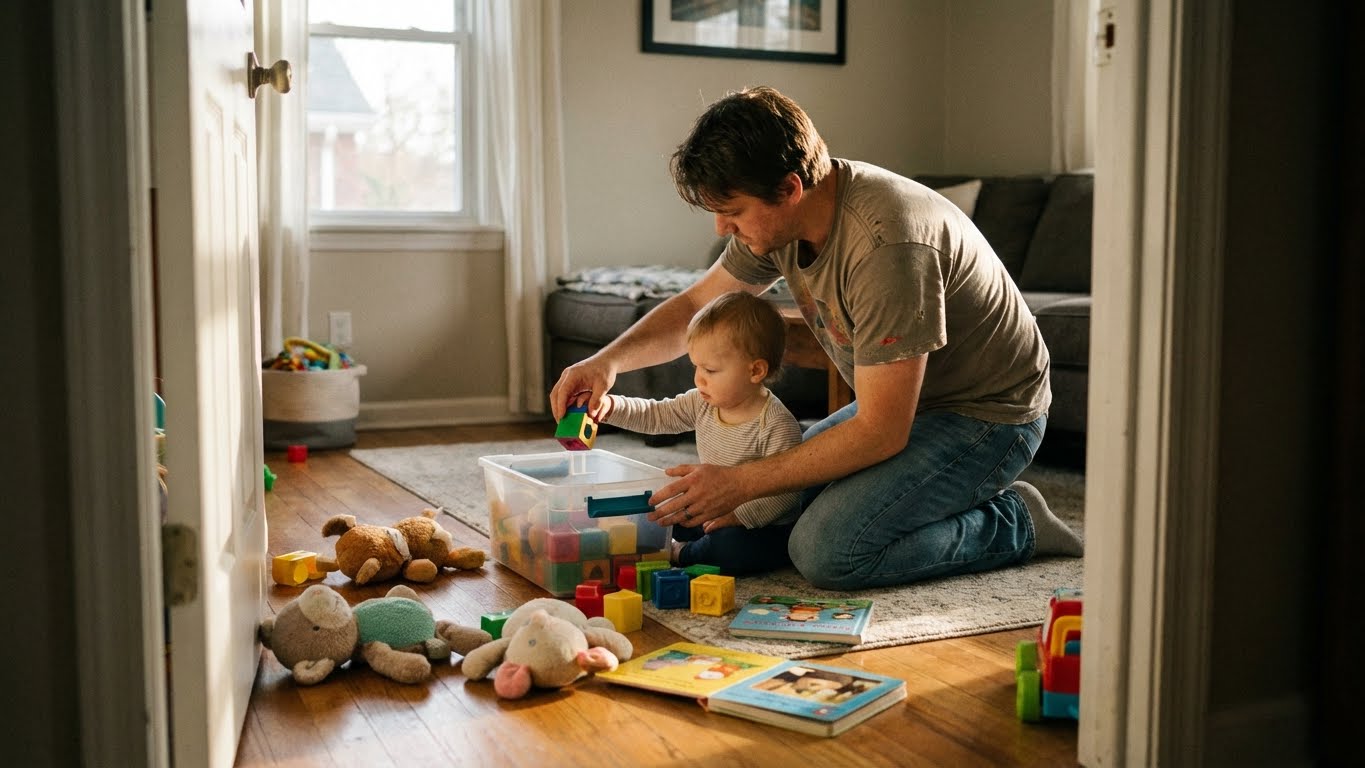
Try time-in instead of time-out. Time-in keeps connection while helping child regulate. Stay with your child during upset, create a calm-down corner together, help identify and name emotions, teach calming strategies, and problem-solve when calm. This approach teaches emotional regulation rather than isolation.
Offer choices to give children control and reduce power struggles. "Do you want to brush teeth before or after pajamas?" "Would you like to walk or hop to the car?" Ensure both options are acceptable to you, make them age-appropriate (two choices for toddlers), never use as punishment, and follow through on the chosen option.
Managing Challenging Behaviors
For hitting, biting, or pushing, stop the behavior immediately while keeping your voice calm but firm. Say "I won't let you hurt me/others," remove child from the situation if needed, and comfort the hurt person. Later when calm, discuss what happened, validate feelings ("You were angry because..."), say "Hitting hurts. When you're angry, you can... [offer alternatives]," practice appropriate responses, and make amends if appropriate.
For whining, don't respond to the whining tone. Say "I can't understand whining. Use your regular voice," wait for regular voice before responding, acknowledge when they use appropriate tone, and address underlying needs like tiredness or hunger.
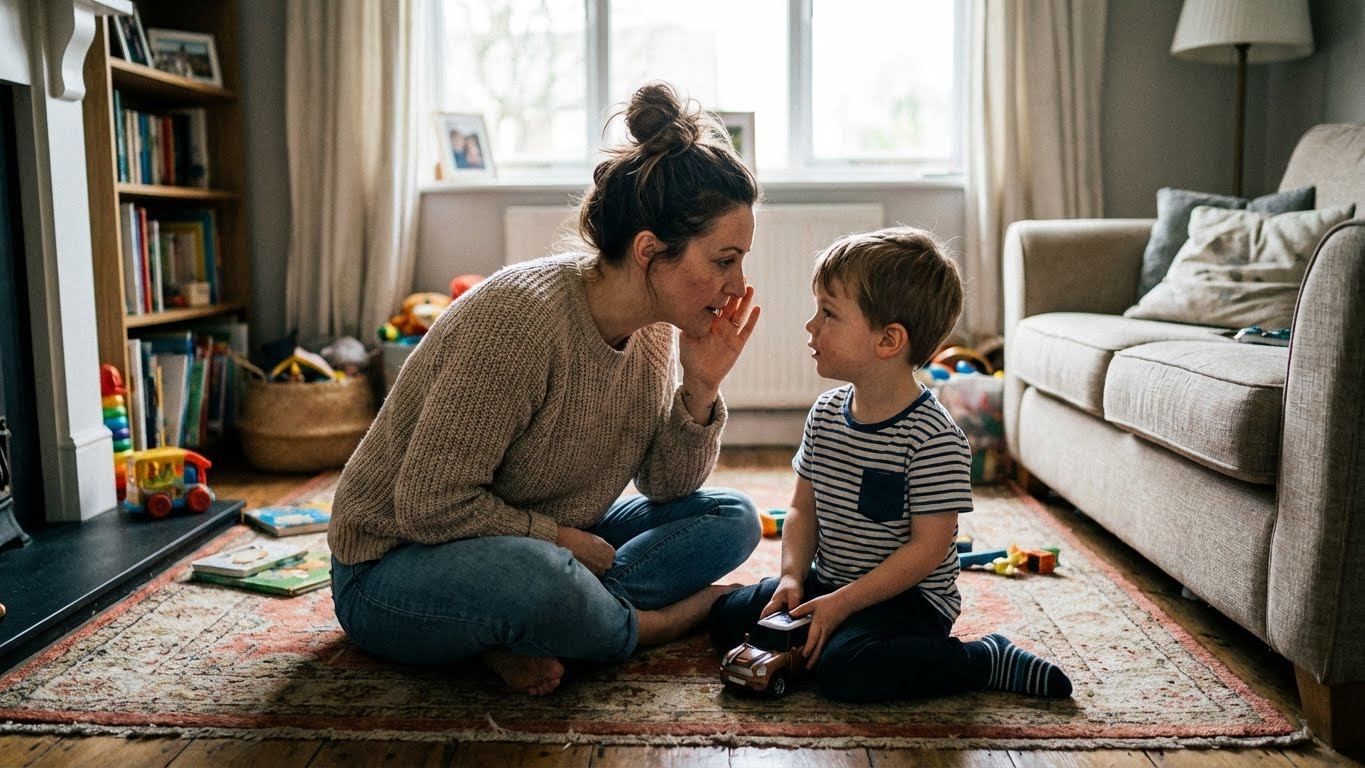
When children don't listen, get on their level and make eye contact. Say their name first, keep instructions short and clear, ask them to repeat back, follow through every time, and give warnings like "In 5 minutes..."
What Positive Discipline Is NOT
Positive discipline is not permissive—boundaries exist. It's not avoiding discipline—teaching is discipline. It's not letting children do whatever they want—structure and limits matter. It's not being a doormat—respect goes both ways. It's not conflict-free—disagreements happen and are learning opportunities.
Common Challenges
If your child doesn't listen unless you yell, this often means they've learned to ignore your normal voice, follow-through hasn't been consistent, or there are too many words and not enough action. Solution: say it once calmly, then follow through with action.
For immediate danger, use a firm serious voice (not angry), physically intervene, explain after ("Running into street is dangerous because..."), and teach safe alternatives.
If others judge your parenting as permissive, remember that firm and kind isn't permissive, long-term results matter more than others' opinions, and your child's development is more important than others' comfort.
Taking Care of Yourself
Positive discipline requires emotional regulation. Recognize your triggers, take breaks when needed, practice self-compassion, apologize when you mess up, seek support, and remember: progress, not perfection. You're both learning.
Your goal isn't raising obedient children who fear consequences. It's raising responsible, empathetic, capable adults who make good choices because they understand why, not because they fear punishment. Be patient with yourself and your child. The effort you put in now creates a foundation of trust, respect, and cooperation that lasts a lifetime.