
Screen Time Guidelines: Managing Technology for Children
In our digital age, managing screen time is one of modern parents' biggest challenges. Screens are everywhere, and while technology offers benefits, excessive use can impact children's development, sleep, and family relationships. This guide helps you establish healthy screen time habits based on current research and expert recommendations.
AAP Screen Time Recommendations
The American Academy of Pediatrics provides clear guidelines. From birth to 18 months, avoid screens entirely except for video chatting. Babies learn through physical interaction, not screens, and screen time doesn't support development at this age. Between 18-24 months, introduce only high-quality programming, watch together, discuss what you see, limit to very short periods, and avoid using screens as babysitters.
For ages 2-5 years, limit to 1 hour per day maximum of high-quality content. Co-view whenever possible, choose educational age-appropriate programs, and discuss content to reinforce learning. For 6+ years, set consistent limits ensuring screens don't interfere with sleep, physical activity, or family time. Prioritize education and physical activity while modeling healthy screen habits yourself.
Why Limits Matter
Young children need physical play for motor development, face-to-face interaction for language skills, hands-on exploration for cognitive growth, unstructured play for creativity, and adequate sleep for brain development. Screens don't provide these essential experiences.
Blue light from screens suppresses melatonin production, and stimulating content delays sleep onset. Screen time near bedtime significantly affects sleep quality, and poor sleep impacts behavior and learning. Excessive screens are linked to shorter attention spans, behavioral issues, and reduced time for creative play. Physically, sedentary screen time contributes to obesity, eye strain from prolonged use, posture problems, and reduced physical activity.
Creating a Family Media Plan
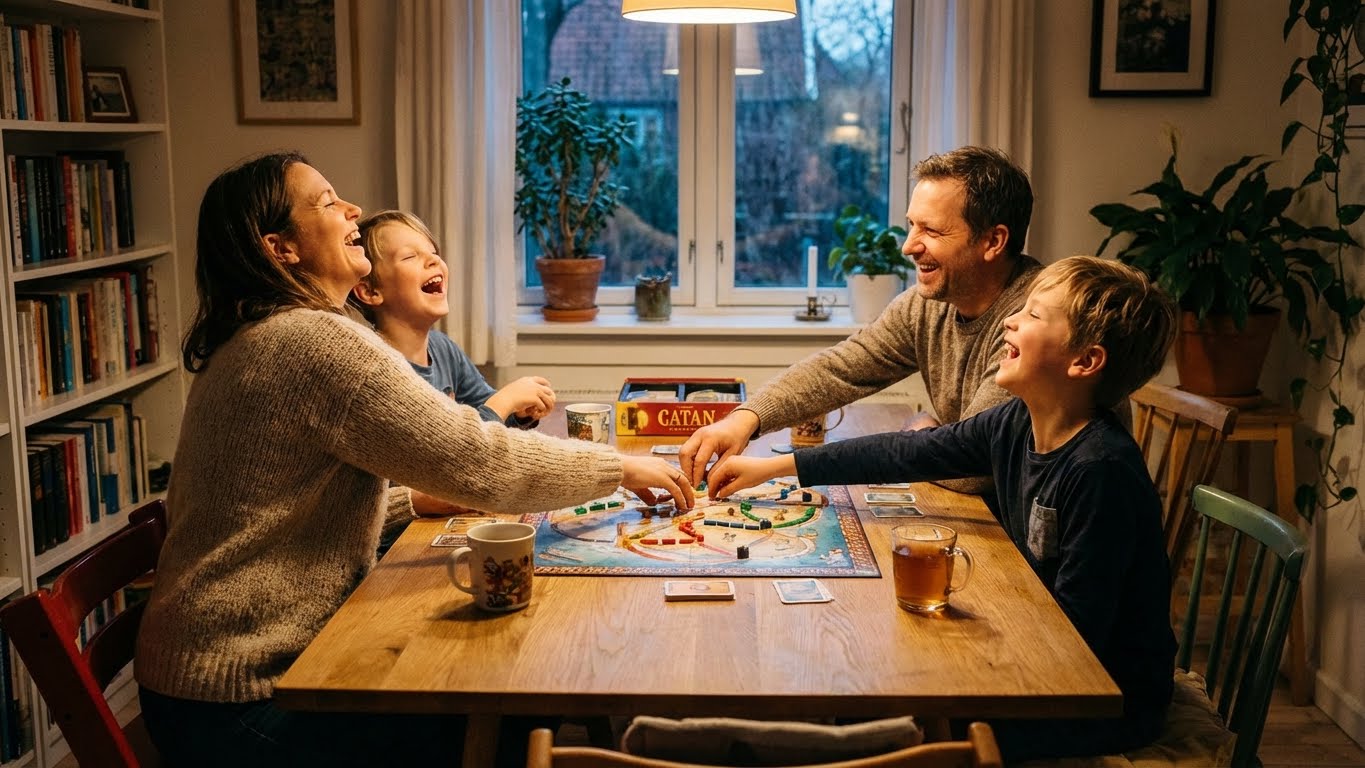
Designate screen-free zones including all bedrooms, the dinner table, the car (except long trips), and bathrooms. Establish screen-free times including meal times, one hour before bed, morning routines, during homework, family game nights, and outdoor time.
Choose quality content by checking age-appropriate ratings, ensuring educational value, looking for positive messages, preferring slow-paced content for young children, choosing interactive programs when possible, and avoiding advertising to young children. Recommended programs for young children include Sesame Street, Daniel Tiger's Neighborhood, Bluey, Mister Rogers' Neighborhood, and PBS Kids shows.
Managing Resistance
When screen time ends, minimize meltdowns by giving a 5-minute warning, using a timer the child can see, being consistent about limits, not negotiating once the limit is set, having an engaging alternative ready, and acknowledging disappointment: "I know you want to keep watching."
Handle tantrums by staying calm and firm, not giving in to extend time, validating feelings without changing rules, redirecting to another activity, and remembering that consistent consequences build understanding.
Alternatives to Screen Time
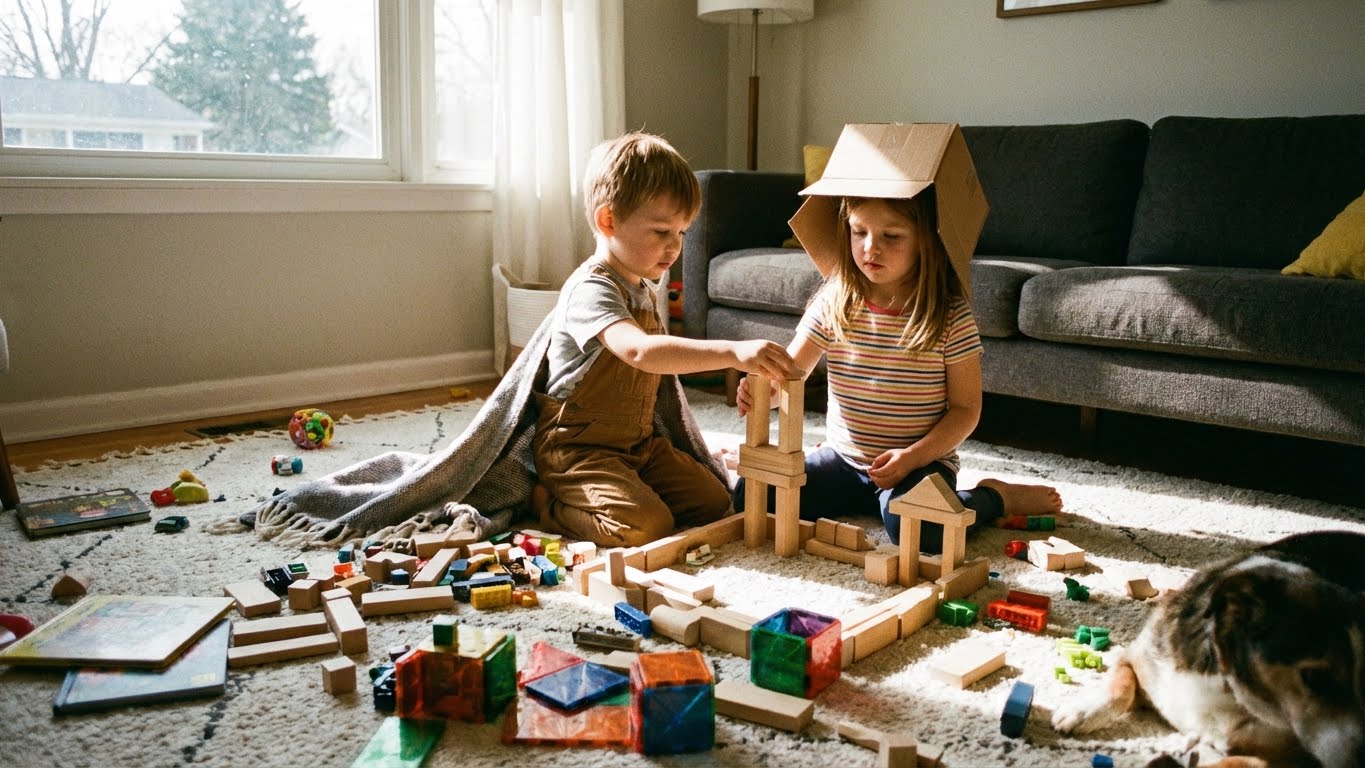
Indoor activities include arts and crafts, building with blocks or Lego, puzzles and board games, reading books, dramatic play and dress-up, music and dancing, baking or cooking together, and indoor obstacle courses. Outdoor activities include nature walks, playground visits, ball games, bike riding, chalk drawing, gardening, water play, and exploring parks.
Remember: boredom is okay. Don't rush to fill every moment. Boredom actually sparks creativity. Let children find their own activities and resist the urge to entertain constantly.
Parent Screen Use
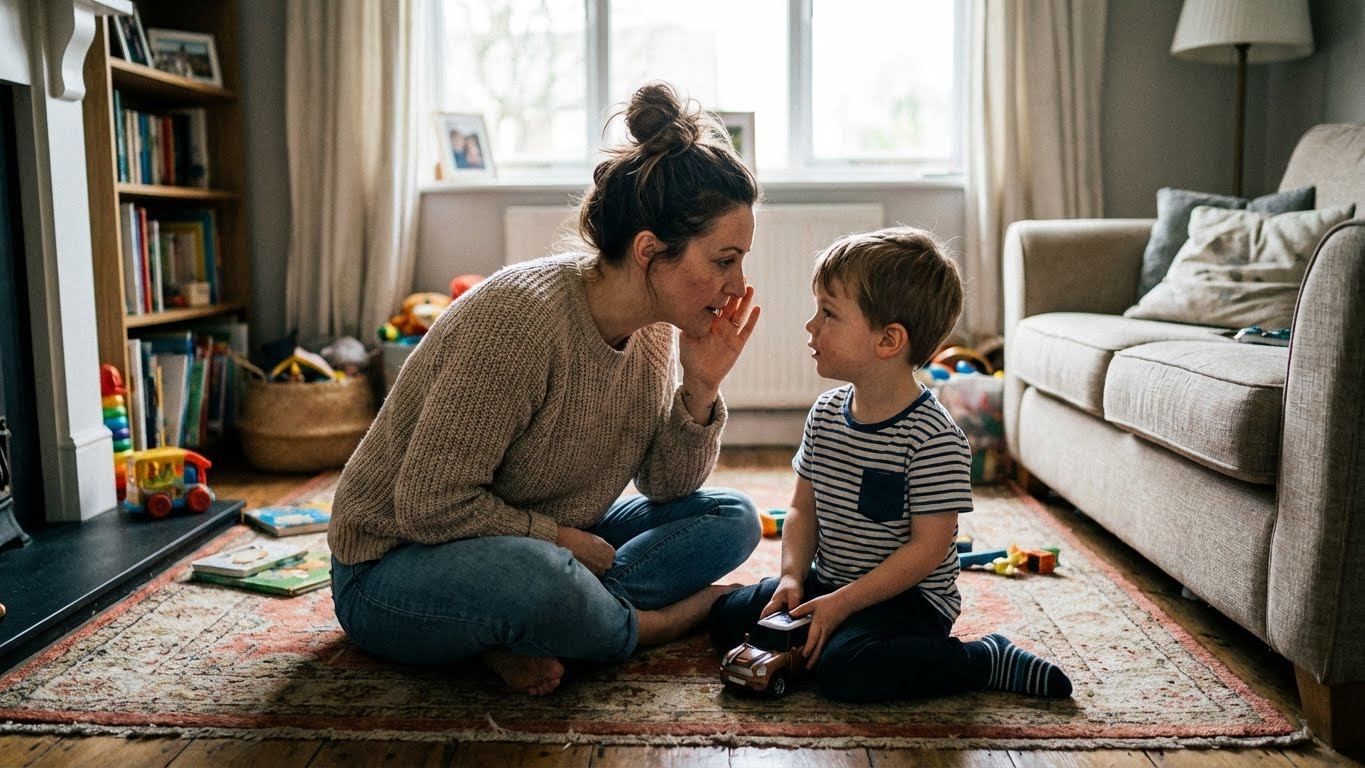
Children learn more from what you do than what you say. Model healthy habits by putting your phone away during meals, not checking it while talking to your child, designating phone-free times for yourself, reading books instead of scrolling, being present during play, and showing that technology can wait.
Being present means making eye contact when your child talks, responding to their bids for attention, engaging fully during family time, noticing when you're distracted by your phone, and apologizing when the phone takes priority over your child.
Special Situations
For travel and waiting, have screen-free activities ready first, use screens as a last resort not first option, download content beforehand, bring headphones, and limit usage by time. On sick days, more lenient screen time is okay, but return to normal limits when recovered and offer comfort through presence, not just screens.
With multiple children, individualize limits by age, create a schedule to avoid fighting, teach turn-taking, and offer both individual and shared screen time.
Benefits of Limited Screen Time
When you reduce screens, you'll likely notice more creative play, better sleep, improved attention span, increased physical activity, enhanced family connections, better behavior, increased independence, and deeper play and focus.
Technology isn't inherently bad, but moderation and intentionality matter. The goal isn't eliminating all screens—that's unrealistic. The goal is ensuring technology enhances rather than replaces essential childhood experiences. Start small if current screen time is high. Even reducing by 15 minutes daily makes a difference. Be consistent, model healthy habits, and prioritize real-world connections and experiences. Your child's childhood is finite. The memories you create together won't come from screens.