Understanding Your Newborn's Sleep Patterns and Creating a Routine
Sleep—or the lack of it—is one of the biggest challenges new parents face. Your newborn's sleep patterns can seem random and exhausting. Understanding what's normal for newborn sleep and how to gently establish healthy habits will help you navigate these early months with more confidence and rest.
Normal Newborn Sleep Patterns
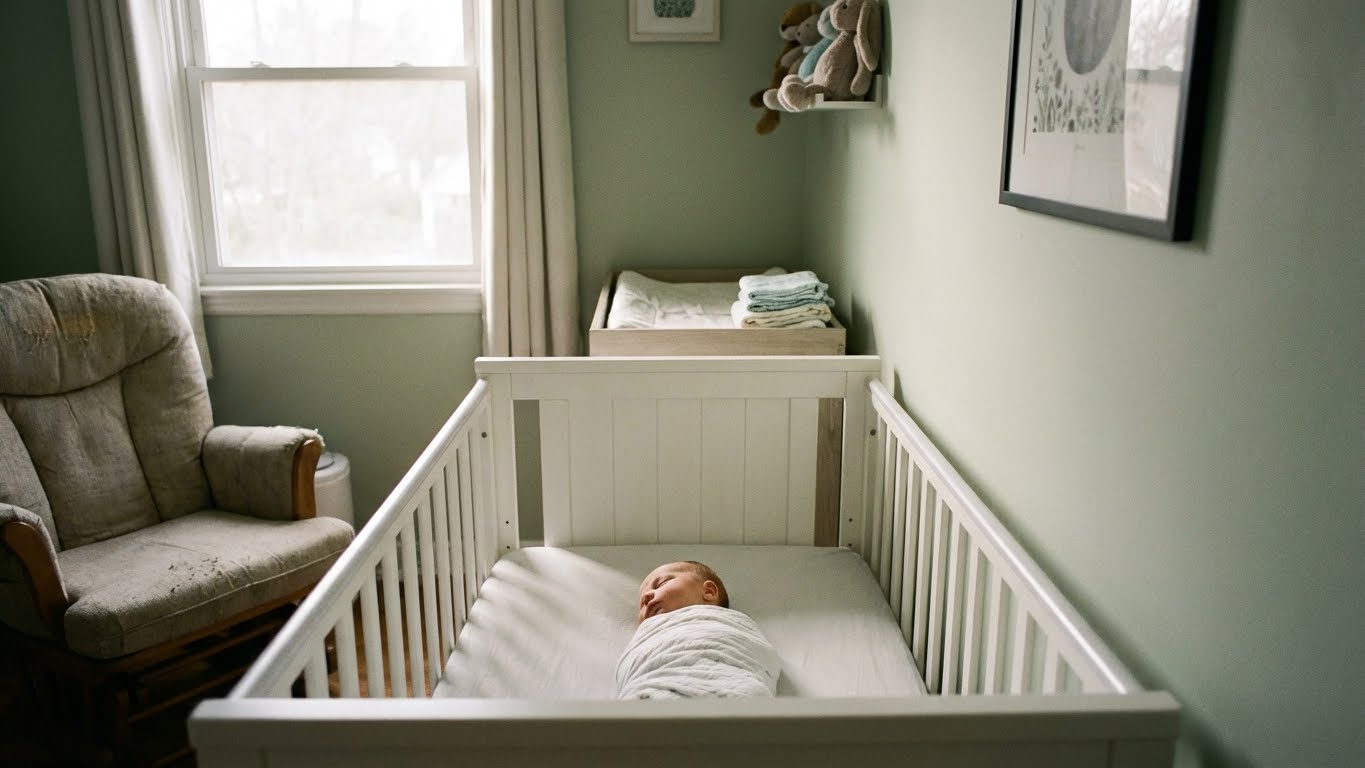
Newborns have dramatically different sleep needs compared to older babies and adults. From birth to 6 weeks, babies sleep 16-20 hours per day. Between 6 weeks and 3 months, this decreases to 15-17 hours daily. By 3 to 6 months, most babies need 14-16 hours of sleep. However, newborns rarely sleep more than 2-4 hours at a stretch, even at night, and this frequent waking is biologically normal and necessary.
Babies wake frequently because their tiny tummies empty quickly, requiring feeds every 2-3 hours. They also have shorter sleep cycles than adults—only 50-60 minutes compared to our 90-110 minutes—and spend more time in light sleep. Most importantly, their circadian rhythm isn't developed at birth. This internal clock develops over the first 3-4 months, which is why many newborns have their days and nights reversed initially.
Day-night confusion is incredibly common. In the womb, babies often slept when you moved during the day because the motion soothed them. At night when you rested, they became more active. After birth, this pattern persists temporarily but typically resolves by 6-12 weeks as the circadian rhythm develops.
Understanding Sleep States
During active REM sleep, your baby may make sounds like grunts and whimpers, move their arms and legs, have irregular breathing, make facial expressions, and have fluttering eyelids. These movements don't always mean baby is awake or needs you. Wait and observe before intervening—many babies resettle themselves.
During quiet deep sleep, babies lie still with regular breathing and only occasional startles. They're much harder to wake during this phase. Between sleep and wake, babies go through transitional states where they may fuss briefly, open eyes momentarily, or move around before returning to sleep on their own if given a moment.
Creating a Safe Sleep Environment
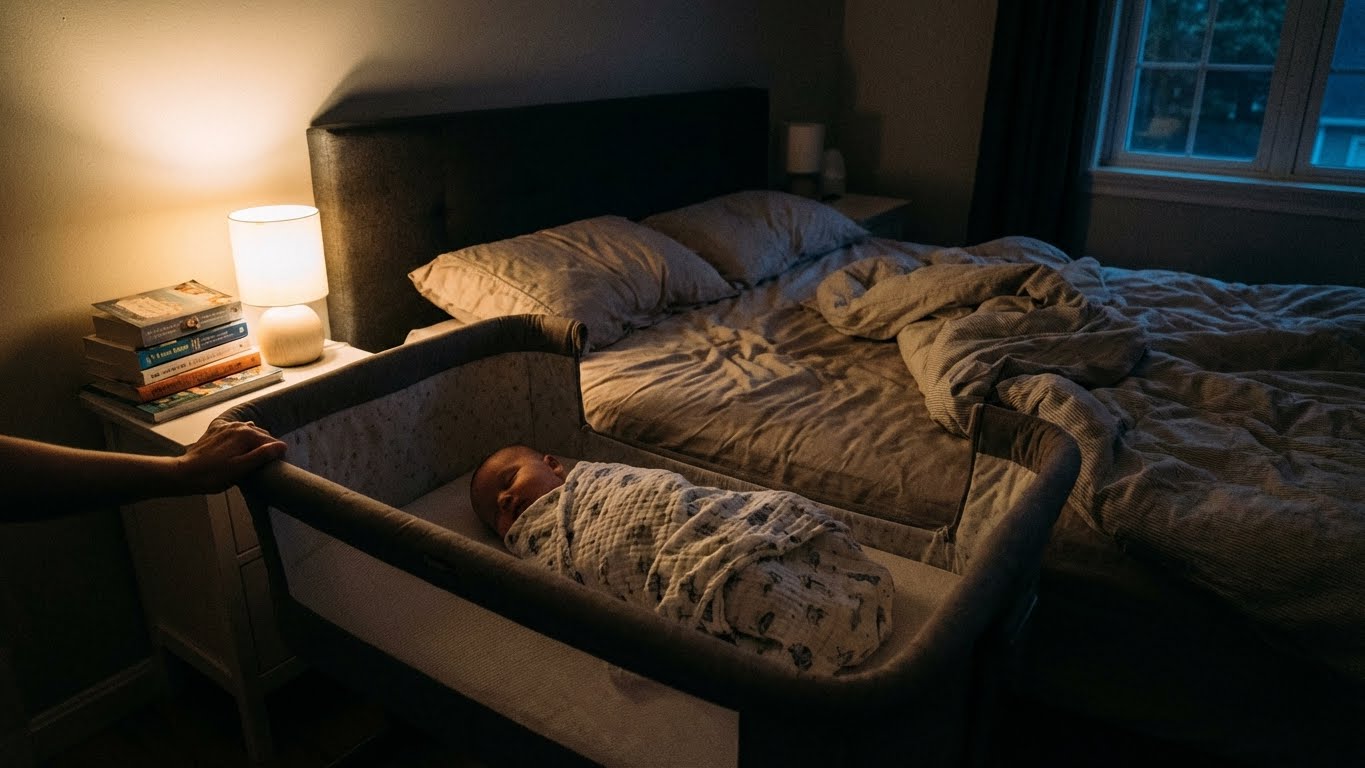
Safe sleep is paramount. Always follow the ABCs: baby sleeps Alone in their own space, on their Back, and in a Crib or bassinet with a firm, flat mattress and fitted sheet only. Never place blankets, pillows, bumpers, or stuffed animals in the sleep space. Room-share for at least 6 months, ideally 12 months, as this reduces SIDS risk while making nighttime feeding easier.
Keep the room temperature between 68-72°F. Make the room very dark for nighttime sleep and use white noise if helpful, but not too loud. Swaddling can help newborns sleep better by containing their startle reflex, but stop swaddling once baby shows any signs of rolling.
Establishing Healthy Sleep Habits
Help your baby distinguish day from night by keeping things bright and active during daytime. Open curtains to let natural light in, allow normal household noises, play and interact during wake times, and change clothes in the morning. During nighttime, keep lights very dim using a red or amber nightlight, minimize noise and stimulation, use a quiet soothing voice, keep interactions brief and boring, and skip diaper changes if not soiled.
Watch for early sleep cues before your baby becomes overtired. Signs include yawning, rubbing eyes, looking away from you, becoming quiet and still, losing interest in surroundings, and rooting even if not hungry. If you miss these early cues and baby becomes overtired, you'll see fussing or crying, arching back, clenched fists, and frantic movements.
Even young newborns benefit from a simple, consistent bedtime routine taking 20-30 minutes. Try a bath (not necessary nightly), fresh diaper and pajamas, feeding, burping, swaddling, a lullaby or white noise, then placing baby in crib drowsy but awake. Keep it simple, calm, and consistent—the routine signals that sleep is coming.
Common Sleep Challenges
Many babies only sleep when held because they're used to the womb's constant motion and closeness. To help transition, use the wake-and-sleep method by holding baby until drowsy then placing in crib. Try swaddling for that contained feeling, warm the crib with a heating pad before placing baby (remove the pad first), use white noise, practice during calm daytime naps first, and be patient—this takes practice.
Short cat naps are common because newborns have brief sleep cycles and easily wake between them. Create an ideal sleep environment that's dark, quiet, and comfortable. Ensure baby isn't overtired when put down, use white noise to prevent startling, and don't rush to baby at the first sound—they may resettle. Accept that short naps are normal in early weeks.
If baby fights sleep, they may be overtired, overstimulated, or uncomfortable. Watch for early sleep cues and don't wait until baby is overtired. Reduce stimulation before sleep times, check for discomfort like gas or hunger, use calming techniques like swaddling and shushing, and ensure appropriate wake windows (30-60 minutes for newborns).
Taking Care of Yourself
Sleep deprivation is challenging but temporary. Really do sleep when baby sleeps—let housework wait. If possible, take shifts with your partner so each person gets longer sleep blocks. Accept help from others who can hold baby while you nap. Lower your standards temporarily and choose sleep over a perfect house. Even 20-minute power naps help. Get outside for natural light to help your circadian rhythm too, and be patient—most babies consolidate sleep by 3-6 months.
Newborn sleep is unpredictable and exhausting, but it's temporary. Focus on safe sleep, gentle routines, and surviving rather than perfection. Better sleep will come as your baby's brain and circadian rhythm mature. Until then, be patient with your baby and yourself. You're doing a great job, even on the hardest nights.