
Starting Solids: Complete Guide to Baby-Led Weaning and First Foods
Starting solid foods is an exciting milestone in your baby's development. Whether you choose traditional purees, baby-led weaning (BLW), or a combination approach, this guide helps you navigate this transition with confidence. Learn when to start, what foods to offer, how to prevent choking, and establish healthy eating habits that last a lifetime.
When to Start Solid Foods
Most babies are ready for solid foods around 6 months of age. However, readiness isn't just about age—it's about developmental milestones. Your baby should demonstrate good head control and be able to hold their head steady and upright without support. They should also be able to sit independently in a high chair with minimal support from you.
Another important sign is that your baby has lost the tongue-thrust reflex, meaning they no longer automatically push food out of their mouth with their tongue. You'll also notice your baby showing genuine interest in food—watching you intently while you eat and reaching for food on your plate. They should have developed enough hand-eye coordination to bring objects to their mouth and open their mouth when they see food approaching.
It's important to wait for all these signs before starting solids. Starting before 4 months or waiting beyond 7 months isn't typically recommended by pediatricians. The ideal window is around 6 months when your baby's digestive system is mature enough and they have the physical skills needed to manage solid foods safely.
Purees vs. Baby-Led Weaning
Traditional Purees
Traditional purees involve spoon-feeding your baby smooth, blended foods that gradually increase in texture. This approach gives parents more control over what and how much their baby eats, and it tends to be less messy in the beginning stages. Most parents are familiar with this method since it's been the standard approach for generations. You can also progress through textures at your own comfortable pace.
However, the puree method does require preparing special foods separately from what the family is eating. It also adds an extra transitional step before your baby can eat regular table foods. Some experts note that babies may be less actively involved in the feeding process when being spoon-fed, which could potentially delay the development of self-feeding skills.
Baby-Led Weaning
Baby-led weaning is an increasingly popular approach where babies feed themselves from the very start with soft, appropriately-sized finger foods. There's no spoon-feeding or purees involved—instead, babies explore food independently while the family eats together.
This method allows babies to set their own pace and tune into their natural hunger and fullness cues. It actively develops fine motor skills and promotes independence from day one. The whole family can enjoy meals together since you're not preparing separate baby food. Research suggests that baby-led weaning may reduce picky eating later on because babies are exposed to various textures early. There's also no need for special food preparation since you simply offer appropriate portions of what the family is eating.
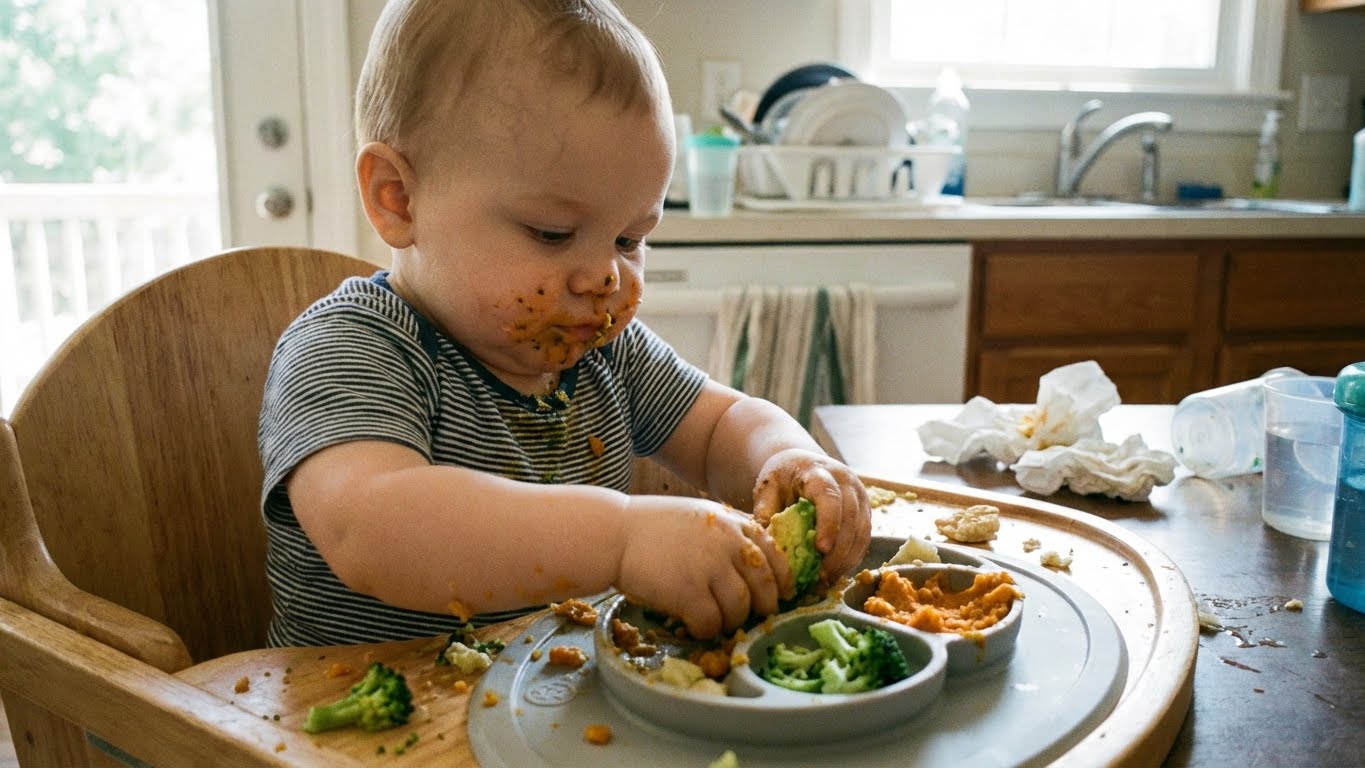
The main challenges of baby-led weaning include the significant mess factor—expect food everywhere as your baby learns. Some parents worry about whether their baby is eating enough since intake isn't as measurable. Initial gagging episodes can be frightening for new parents, even though gagging is a normal protective reflex. This approach also requires constant supervision during meals to ensure safety.
First Foods to Offer
When preparing foods for your baby, remember that size and texture matter tremendously for safety. Offer finger-length pieces that your baby can grasp in their fist with some sticking out for them to chew. The food should be soft enough that you can easily squish it between your fingers. Avoid round shapes that could be choking hazards, and ensure pieces are large enough that your baby can't fit the whole thing in their mouth at once.
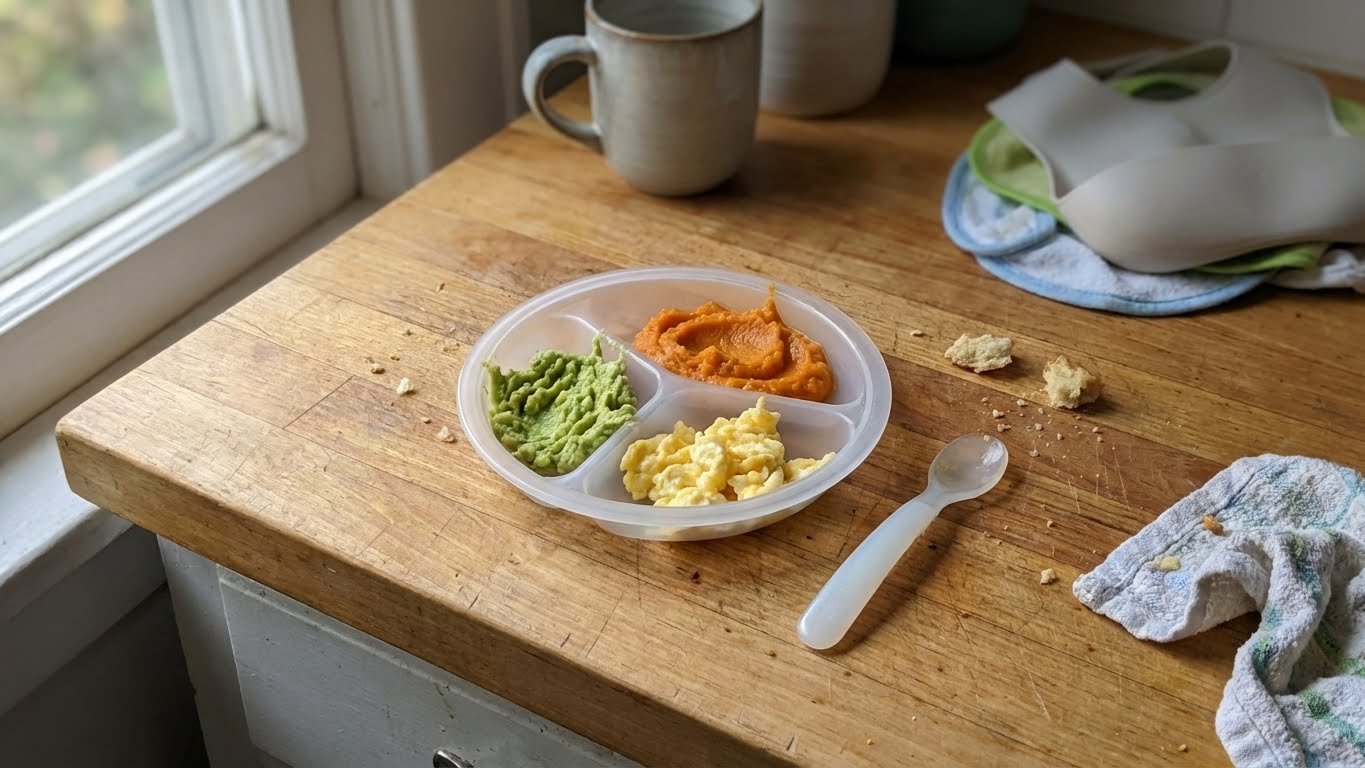
Great first vegetables include steamed broccoli florets, roasted sweet potato wedges, cooked carrot sticks that are very soft, steamed green beans, roasted butternut squash, and avocado slices. For fruits, try banana spears, soft pear slices, steamed apple wedges, mango strips, watermelon with the rind on for grip, and cantaloupe strips.
Protein options are also important. Offer shredded chicken, ground meat formed into patties, flaked boneless fish, scrambled eggs, mashed beans, and tofu strips. For grains, toast strips with spread, pasta in large shapes, rice balls, loaded spoons of oatmeal, and pancakes all work well for babies learning to eat.
Introducing Common Allergens
Recent research has revolutionized how we think about allergen introduction. The nine most common allergens are cow's milk, eggs, peanuts, tree nuts, soy, wheat, fish, shellfish, and sesame. Rather than avoiding these foods, current guidelines actually recommend introducing them early—around 6 months of age—as this may reduce the risk of developing allergies.
When introducing allergens, offer one new allergen at a time. Give it to your baby at home rather than at a restaurant, during the daytime rather than before bed. Start with small amounts and wait 3-5 days before introducing the next new allergen. Most importantly, continue offering the allergen regularly once introduced, as ongoing exposure appears to be protective.
Safe ways to offer allergens include spreading thin peanut butter on toast or mixing it into oatmeal for peanuts. Offer scrambled eggs or eggs mixed into pancakes. For milk, start with yogurt or cheese rather than straight cow's milk as a drink. Wheat can be introduced through toast or pasta. Fish should be flaked and checked carefully for bones.
Understanding Gagging vs. Choking
Gagging is a normal, protective reflex that prevents choking. When your baby gags, the food moves forward in their mouth, they cough loudly or retch, their eyes may water, and their face may redden. However, they continue breathing and typically resolve it themselves. When gagging happens, stay calm and don't intervene—let your baby work it out on their own.
Choking is completely different and constitutes an emergency. A choking baby is silent because they can't cough or cry. They're unable to breathe, may clutch at their throat, their face turns blue, and they have a panicked expression. If this happens, call 911 immediately and perform infant choking first aid.
To reduce choking risk, always supervise your baby while eating. Ensure they sit upright in their high chair and never eat in the car or while moving around. Remove distractions like TV or toys during mealtimes. Make sure foods are cut to appropriate sizes and textures. Most importantly, learn infant CPR and choking first aid before starting solids.
High-risk foods to avoid include whole grapes—always quarter them. Cut hot dogs lengthwise then chop them. Never offer hard raw vegetables, whole nuts (though nut butters are fine), popcorn, hard candy, or large chunks of meat or cheese. Sticky foods like a glob of peanut butter straight from the spoon are also dangerous.
Building a Feeding Schedule
Between 6-8 months, milk remains your baby's primary source of nutrition. Offer 1-2 solid feeding sessions daily as practice, with small amounts focused on exploration rather than nutrition. Offer solids after milk feedings so your baby isn't too hungry to explore patiently.
From 8-10 months, increase to 2-3 meals daily with growing amounts as solids begin to replace some milk feeds. Start adding 1-2 snacks as well. By 10-12 months, your baby should enjoy 3 meals plus 2 snacks, with solids becoming the main source of nutrition while they still breastfeed or take formula.
After 12 months, your baby eats family meals with minor modifications. Whole cow's milk can replace formula if you're not breastfeeding. Offer a wider variety of foods and work toward complete independence in self-feeding.
Nutritional Priorities
Iron-rich foods should be a priority because babies' iron stores typically deplete around 6 months. Offer meat like beef, chicken, and pork, along with fish, beans and lentils, iron-fortified cereal, dark leafy greens, and tofu regularly.
Certain foods should be limited. No added sugar is recommended before age 2. Keep salt minimal since your baby's kidneys are still immature. Never offer honey before age 1 due to botulism risk. Juice isn't necessary and should be limited if offered at all. Focus on whole foods rather than processed options.
Common Concerns
Many parents worry when their baby doesn't eat much in the beginning. This is completely normal during the learning phase. Remember the phrase "food before one is mostly for fun"—milk remains the primary nutrition source. Exposure to foods is more important than the amount consumed initially. Trust your baby's appetite and hunger cues.
If your baby only wants certain foods, don't worry excessively. Continue offering variety without pressure. Research shows babies may need 15 or more exposures to a new food before accepting it. Model eating varied foods yourself and avoid catering specifically to preferences. Stay patient and consistent—food preferences change frequently in young children.
Expect a lot of food to end up on the floor. This is totally normal as your baby explores and learns. Place a splat mat under the high chair for easier cleanup. Serve smaller portions to reduce waste. If you have a dog, they'll be happy to help with cleanup! This messy phase will pass as your baby's skills improve.
Creating Positive Mealtimes
Understanding division of responsibility is crucial for healthy eating habits. Your job as the parent is to decide what food is offered, when it's offered, and where it's offered. Your baby's job is to decide whether to eat and how much to eat. Respecting this division prevents power struggles and promotes healthy self-regulation.
Create a pleasant meal environment by eating together as a family whenever possible. Never pressure your baby to eat or use bribing, forcing, or rewards related to food. Minimize distractions by turning off screens and putting away toys. Model healthy eating behaviors yourself and keep meals pleasant and stress-free. Allow 15-30 minutes for each meal—some babies eat quickly while others need more time.
When to Seek Help
Contact your pediatrician if your baby refuses all foods by 8 months. Excessive gagging or choking on most foods isn't normal and warrants evaluation. Consistent vomiting after eating, losing weight or not gaining appropriately, or any signs of allergic reaction like rash, vomiting, or difficulty breathing require immediate medical attention. If your baby seems extremely distressed by food textures, discuss this with your doctor as it could indicate sensory processing concerns.
Final Thoughts
Starting solids is messy, exciting, and sometimes stressful. Remember that the goal isn't perfect eating from day one—it's building a healthy, positive relationship with food that will last a lifetime. Trust your baby to know their hunger and fullness cues, offer variety without pressure, and enjoy watching them explore new tastes and textures.
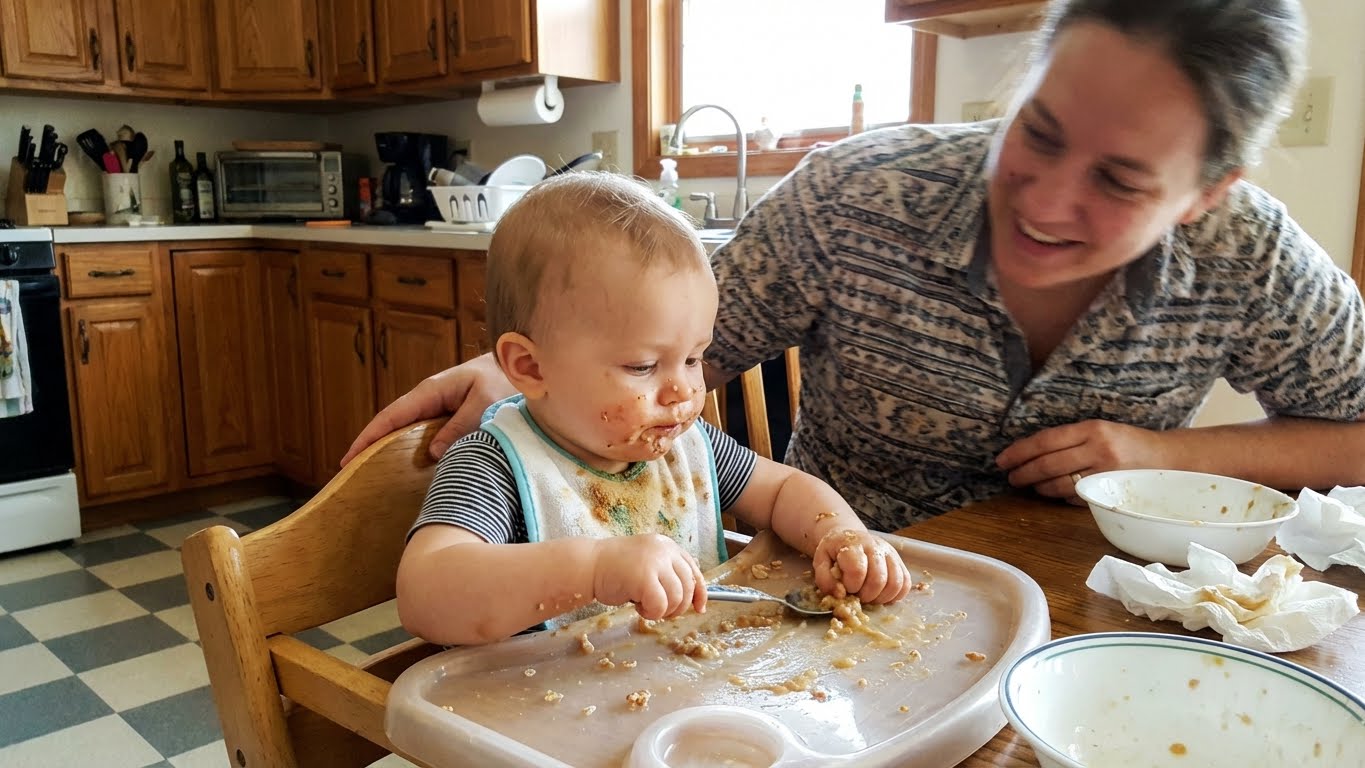
Every baby develops eating skills at their own unique pace. Some eagerly try everything from day one while others need more time and patience. Both approaches are completely normal. Focus on making mealtimes safe, positive, and enjoyable rather than stressful. Take lots of photos of those adorable messy faces—you'll treasure these memories even though cleanup feels endless now!
Food before one really is just for fun, but it's also building the foundation for lifelong healthy eating habits. Take a deep breath, embrace the mess, and enjoy this incredible milestone with your baby.