
Complete Guide to First Trimester: What to Expect and How to Prepare
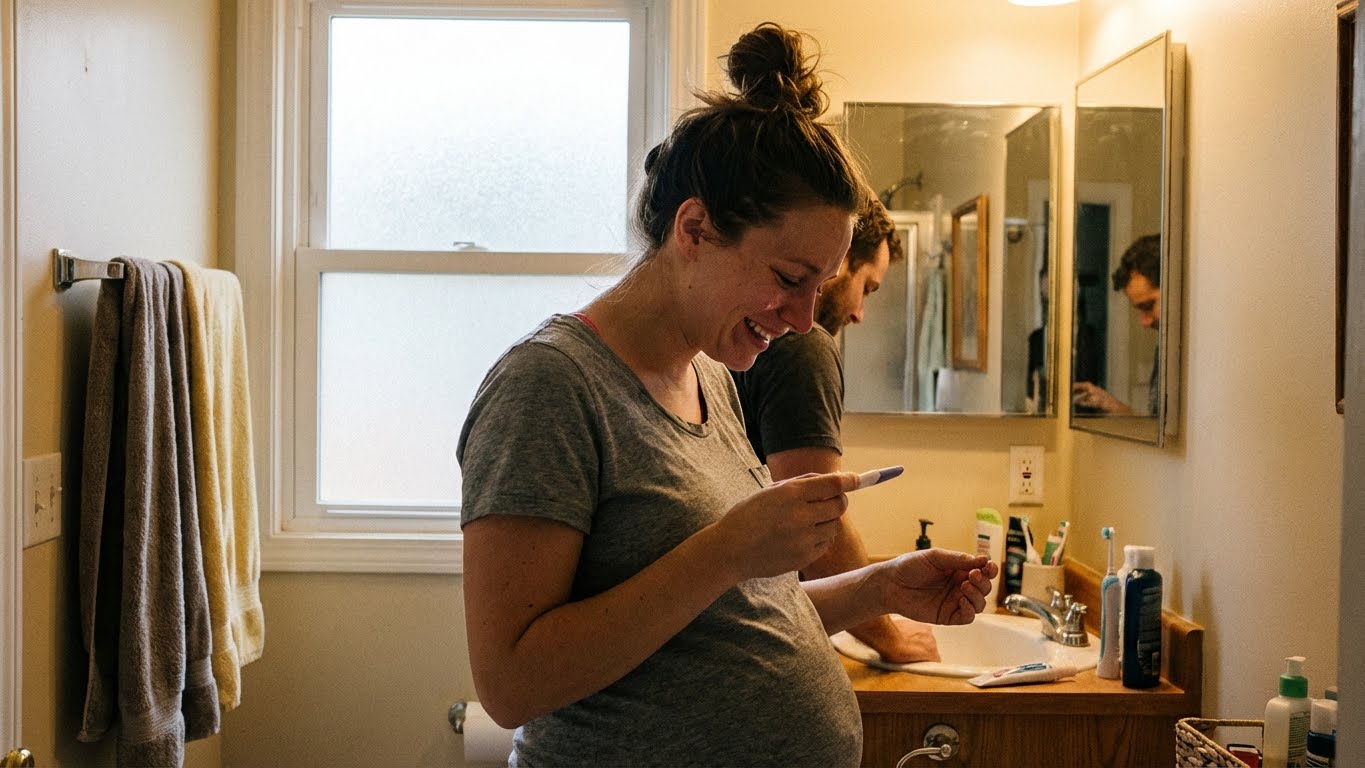
Discovering you're pregnant is one of life's most transformative moments. The first trimester spans weeks 1 through 13 and brings incredible physical, emotional, and hormonal changes. Understanding what to expect during these crucial early weeks will help you navigate this journey with confidence and peace of mind.

Understanding the First Trimester
The first trimester is a period of rapid development for your baby. Though you may not show much externally, profound changes are occurring internally. Your baby develops from a single fertilized cell into a fetus with a beating heart, forming organs, and recognizable human features.
During weeks 1-4, conception occurs and the fertilized egg implants in the uterine wall. The placenta begins forming, and pregnancy hormones start rising, which often triggers the first symptoms. Between weeks 5-8, your baby's heart begins beating around week 6, and major organs start developing including the brain, spinal cord, and digestive system. This is typically when most women discover they're pregnant and experience the first noticeable symptoms.
From weeks 9-13, your baby transitions from embryo to fetus. Facial features become more defined, tiny fingers and toes form, and organs continue their remarkable development. By week 13, your baby is about 3 inches long and weighs nearly an ounce—about the size of a peach.
Physical Changes to Expect
Your breasts will likely be one of the first areas to change. They may feel tender, fuller, and heavier than usual. The areolas often darken, and small bumps called Montgomery's tubercles may become more prominent. These changes are your body's way of preparing for breastfeeding, even this early in pregnancy.
Extreme fatigue is incredibly common during the first trimester. Your body is working overtime to create a life-support system for your baby, and progesterone levels soar, which naturally makes you feel exhausted. Don't fight this tiredness—rest when you need to. The good news is that energy typically returns during the second trimester.
Morning sickness affects about 70-80% of pregnant women, despite its misleading name since it can strike at any time of day or night. The nausea typically begins around week 6 and often subsides by week 14. While uncomfortable, it's generally a sign of a healthy pregnancy. However, if vomiting is severe and you can't keep food or liquids down, contact your doctor as you may have hyperemesis gravidarum, which requires medical treatment.
Emotional Changes
The emotional rollercoaster of the first trimester is real and completely normal. Hormonal fluctuations, particularly in estrogen and progesterone, significantly impact your mood and emotions. You might feel overwhelming joy one moment and burst into tears the next over something minor. These rapid emotional shifts can be challenging, but understanding they're hormone-driven helps.
Anxiety during the first trimester is common, especially concerning the baby's health and your ability to be a good parent. The relatively high miscarriage risk in early pregnancy can also cause significant worry. If you find yourself experiencing persistent sadness, overwhelming anxiety, or any thoughts of self-harm, please reach out to your healthcare provider immediately. Prenatal depression affects about 10% of pregnant women and is very treatable.
Essential Medical Care
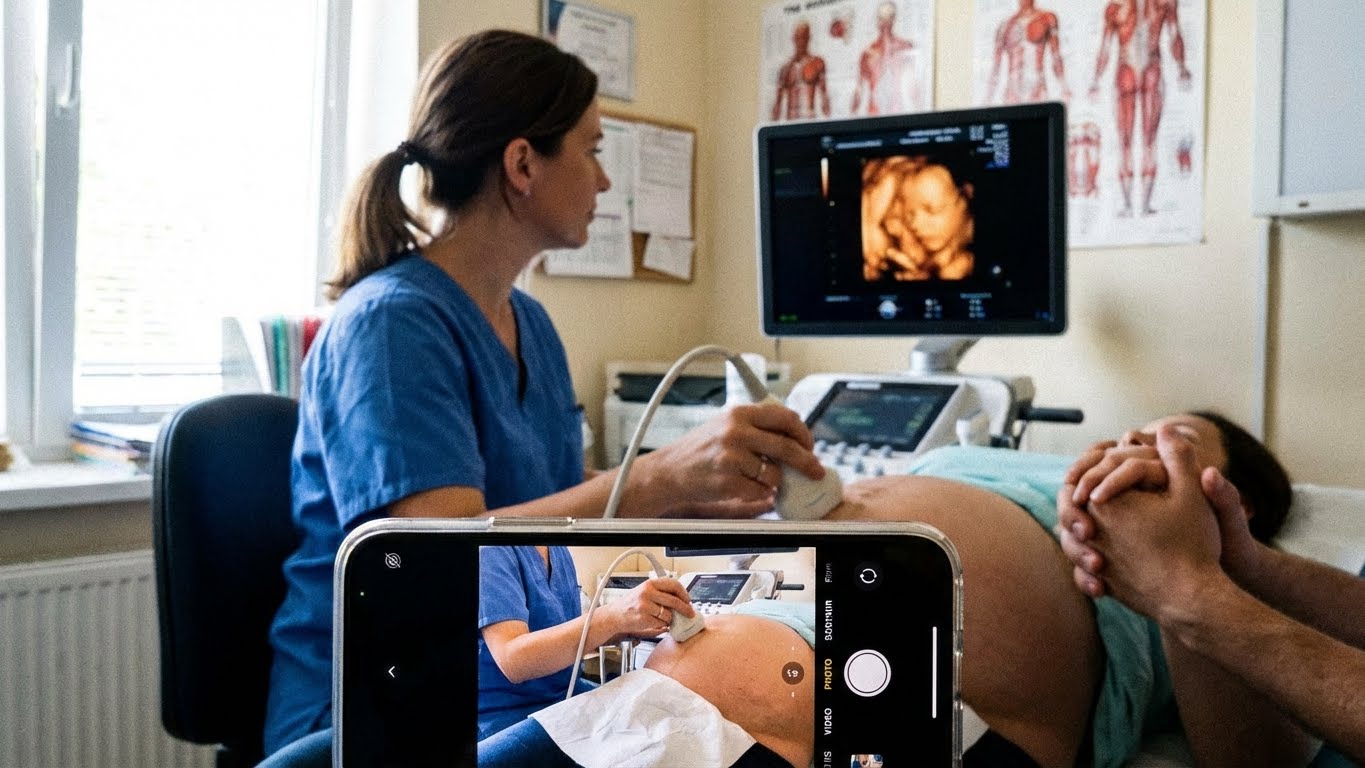
Your first prenatal visit typically occurs between weeks 8-10 and is comprehensive. Expect a complete medical history review, physical examination including a pelvic exam, blood pressure and weight measurements, and various tests. Blood work will check your blood type, Rh factor, immunity to certain diseases, anemia, and potential genetic conditions. Your doctor will also calculate your estimated due date and may perform an ultrasound to confirm the pregnancy and check the baby's heartbeat.
After this initial visit, you'll typically see your provider every 4 weeks throughout the first trimester. Between weeks 10-13, you may be offered important screening options including cell-free DNA testing (a non-invasive blood test for chromosomal conditions), first trimester screening (combining blood tests and ultrasound), or chorionic villus sampling for women at high risk for genetic conditions.

Nutrition for a Healthy Pregnancy
Proper nutrition supports your baby's rapid development and helps manage pregnancy symptoms. Folic acid is absolutely critical—take 400-800 mcg daily through prenatal vitamins to prevent neural tube defects. If possible, start taking folic acid before conception, but if you're already pregnant, begin immediately.
Iron is equally important, with a recommended 27 mg daily to support your increased blood volume and prevent anemia. Good sources include lean meats, beans, fortified cereals, and leafy greens. You'll need about 1000 mg of calcium daily for your baby's bone development, which you can get from dairy products, fortified plant milk, leafy greens, and salmon.
Protein becomes increasingly important—aim for 70-100 grams daily from sources like lean meats, fish, eggs, legumes, nuts, and dairy. Don't forget DHA, an omega-3 fatty acid crucial for brain and eye development. Get 200-300 mg daily from fatty fish, fortified eggs, or supplements.
While eating well, also know what to avoid. Stay away from raw or undercooked seafood, eggs, and meat. Avoid high-mercury fish like shark, swordfish, king mackerel, and tilefish. Don't consume unpasteurized dairy products, juices, deli meats, or hot dogs unless heated to steaming. Limit caffeine to 200mg daily (about one 12-oz coffee) and completely avoid alcohol, as no amount is considered safe during pregnancy.
Managing Common Symptoms
To combat fatigue, prioritize sleep and aim for 8-10 hours nightly. Take short naps when possible and don't hesitate to delegate tasks or ask for help. Gentle exercise can actually boost energy levels. Stay hydrated and maintain stable blood sugar by eating regular, balanced meals.
For morning sickness, try eating small amounts before getting out of bed in the morning—keep crackers on your nightstand. Eat small, frequent meals every 2-3 hours rather than three large meals. Cold foods often have less odor and may be more appealing. Ginger tea or ginger candies can help, as can staying hydrated with small sips throughout the day. Avoid greasy, spicy, or acidic foods if they trigger nausea. If symptoms are severe, ask your doctor about vitamin B6 supplements or prescription anti-nausea medication.
For breast tenderness, wear a supportive, well-fitting bra and consider sizing up if needed. A sports bra or sleep bra at night can provide comfort. Cold compresses offer relief, and avoiding underwire bras may help if they're uncomfortable.
When to Call Your Doctor
While many symptoms are normal, certain signs require immediate medical attention. Call right away if you experience heavy vaginal bleeding, severe abdominal pain or cramping, severe or persistent vomiting where you can't keep liquids down, high fever over 101°F, painful urination or decreased urination, severe headache that doesn't respond to rest or acetaminophen, vision changes or severe swelling, or any thoughts of harming yourself or your baby.
Preparing for the Journey Ahead
Use the first trimester to start preparing practically and emotionally. Review your insurance coverage and create a budget for baby expenses. Research pediatricians and consider touring hospitals or birth centers. Connect with other expectant parents through prenatal classes or online communities for support and information.
Many couples wait until after the first trimester to announce their pregnancy since miscarriage risk significantly decreases after week 13. However, this is entirely personal—some people share early for support during the vulnerable first weeks, while others prefer privacy. Do what feels right for you.
Self-Care During Early Pregnancy
Taking care of yourself is taking care of your baby. Rest whenever you need to without guilt—your body needs extra sleep right now. Practice stress-reduction techniques like prenatal yoga, meditation, or simply taking quiet time for yourself. Stay connected with supportive friends and family, and consider journaling your thoughts and feelings. Don't hesitate to pamper yourself with pregnancy-safe treatments, set boundaries at work and in personal relationships, and celebrate this special time even if you're not showing yet.
Looking Forward
As you approach the end of the first trimester, many uncomfortable symptoms begin to ease. Energy typically returns in the second trimester, nausea often subsides, and you may start to show a small bump. The risk of miscarriage significantly decreases, allowing many women to feel more confident and excited about their pregnancy. Remember, every pregnancy is unique, and your experience may differ from others—and that's perfectly normal.
Trust your instincts, communicate openly with your healthcare provider, and don't hesitate to ask questions. The first trimester is challenging but also filled with wonder and anticipation. You're already being an excellent parent by taking care of yourself and learning about your pregnancy. Welcome to this incredible journey!